But what form is best
1.4 Objective and scope of the review Macrophage polarization stands as a central process in immune regulation, and a deeper understanding of its molecular mechanisms and disease relevance holds significant importance for biomedical research

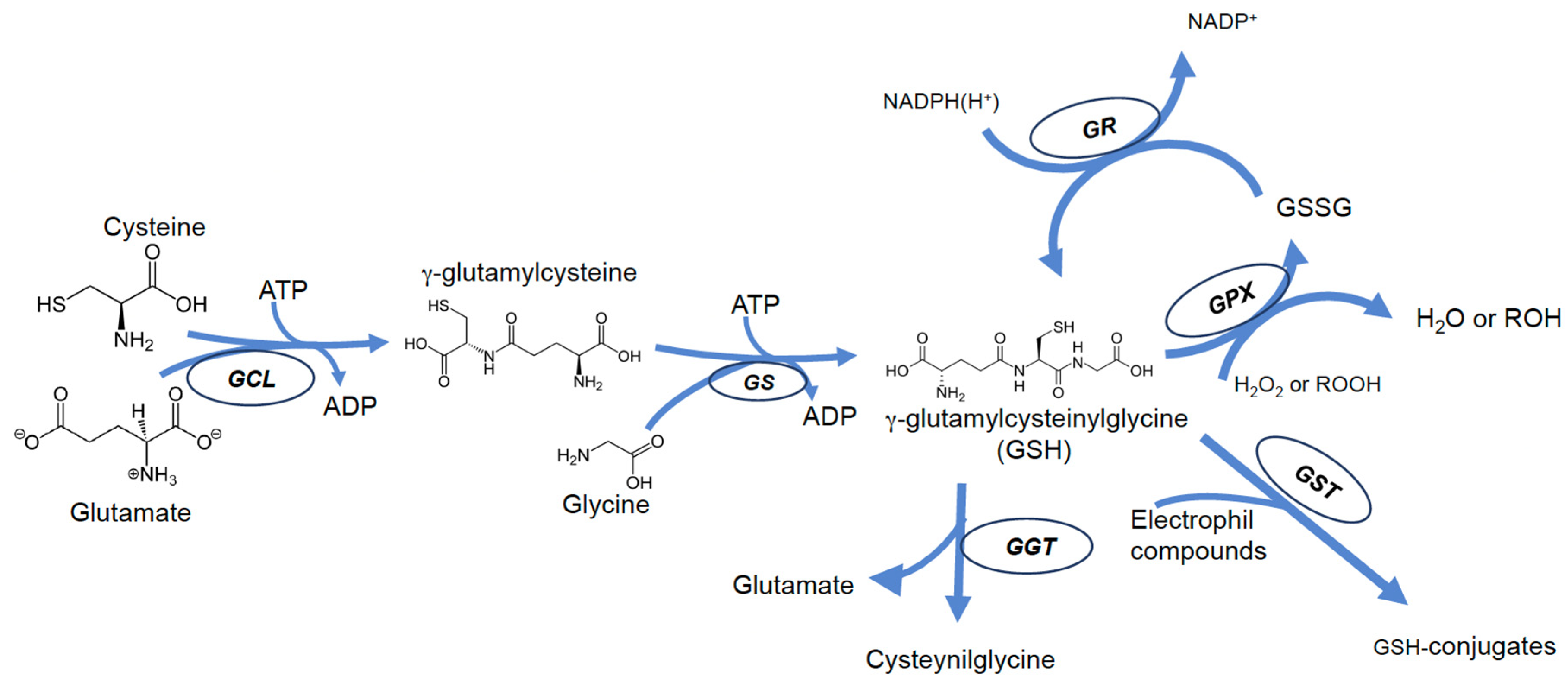
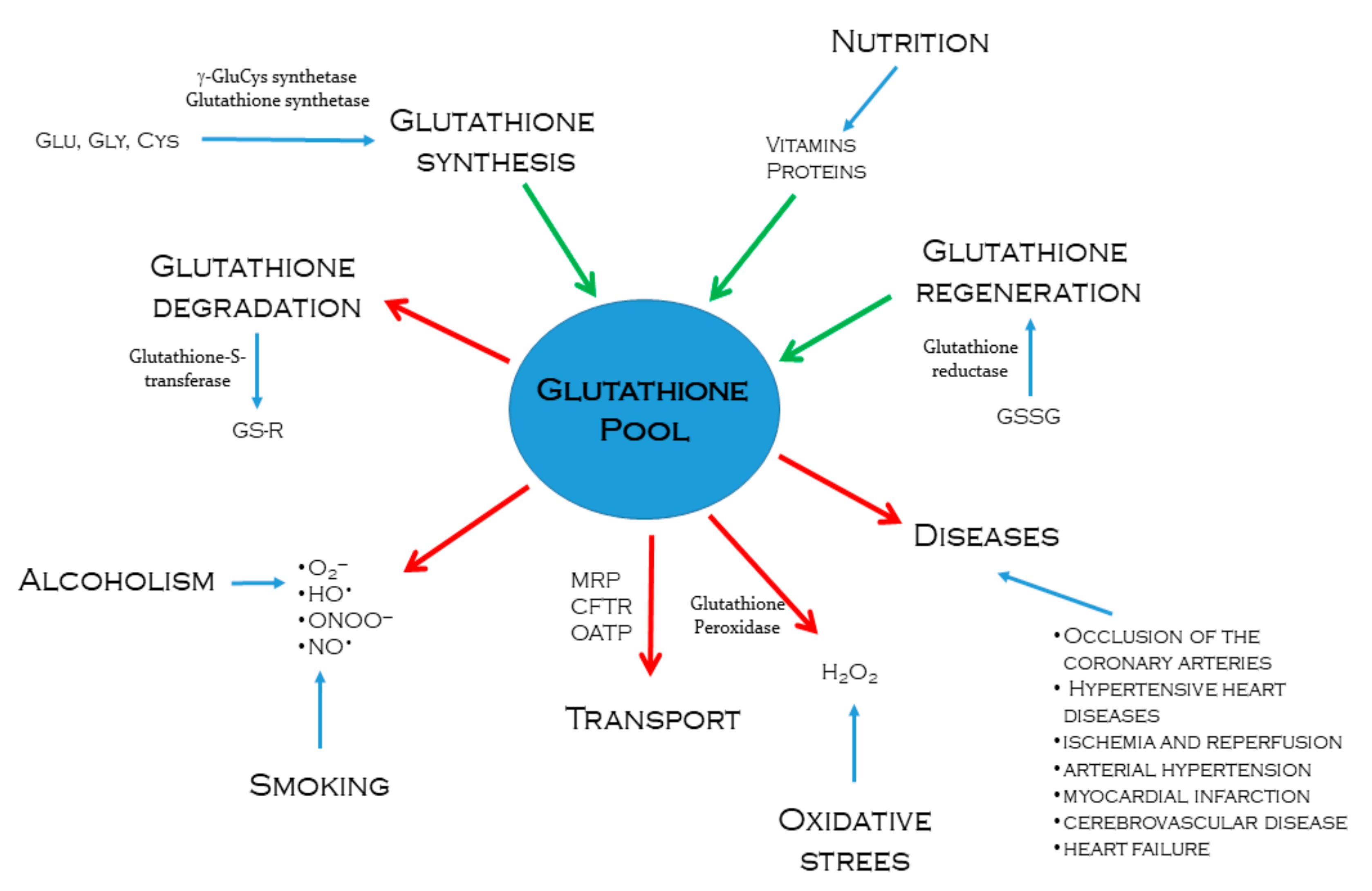
Glutathione has the following roles in the body: Neutralize free radicals and oxidative stress Reverse damage from radiation (X-rays, CT scans, UV and solar radiation) Detoxify heavy metals Detoxify biotoxins (like mold) Help reverse damage from environmental chemicals and pollution Neutralize toxins from food like charred foods and pesticides Improve liver detox pathways Research has found that the following chronic diseases are associated with a reduction in Glutathione levels: Aging Alzheimers Disease Cancer Chronic Liver Disease Cognitive Impairment Diabetes Hypertension Infertility in Both Men and Women Lupus Mental Health Disorders Multiple Sclerosis Neurodegenerative Disorders Parkinsons Disease Glutathione is made of 3 amino acids: cysteine (a sulfur amino acid), glycine, and glutamic acid

Similarly, in humans, global hypomethylation mediated by ROS has been linked to Sertoli cell-only syndrome, testicular tumors, and hypospermatogenesis [143,146], just as some oxidizing agents are able to alkylate the protamines present in spermatozoa, compromising the condensation of spermatic chromatin [145]