Folgende Lebensmittel enthalten viel L-Carnitin: Angaben je 100g Lebensmittel Fleisch, vor allem Rind, Schwein und Wild: 15mg Seelachsfilet: 13,2mg Hering: 12,4mg Pfifferlinge: 12,6mg Kse: 0,6 bis 12,7mg Milchprodukte: 2 bis 10mg Milcheis: 3,5mg Eier: 0,8mg Stoffe, welche die L-Carnitin-Aufnahme hemmen Sowohl die Aufnahme des L-Carnitins aus Lebensmitteln als auch die krpereigene Synthese kann durch verschiedene Chemotherapeutika gehemmt werden, wodurch ein erhhter Bedarf entsteht, der durch den therapeutischen Einsatz von Supplementen gedeckt werden kann
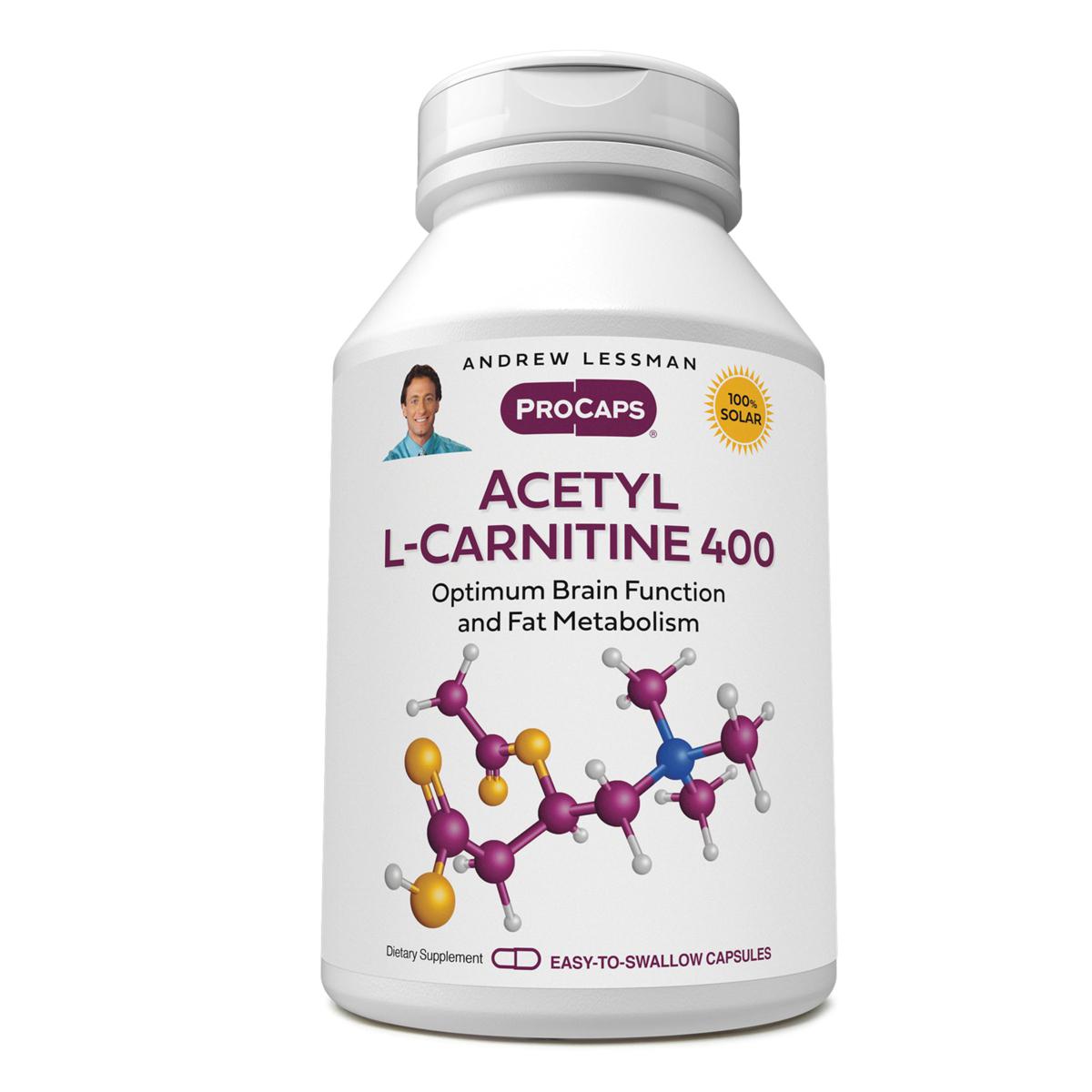
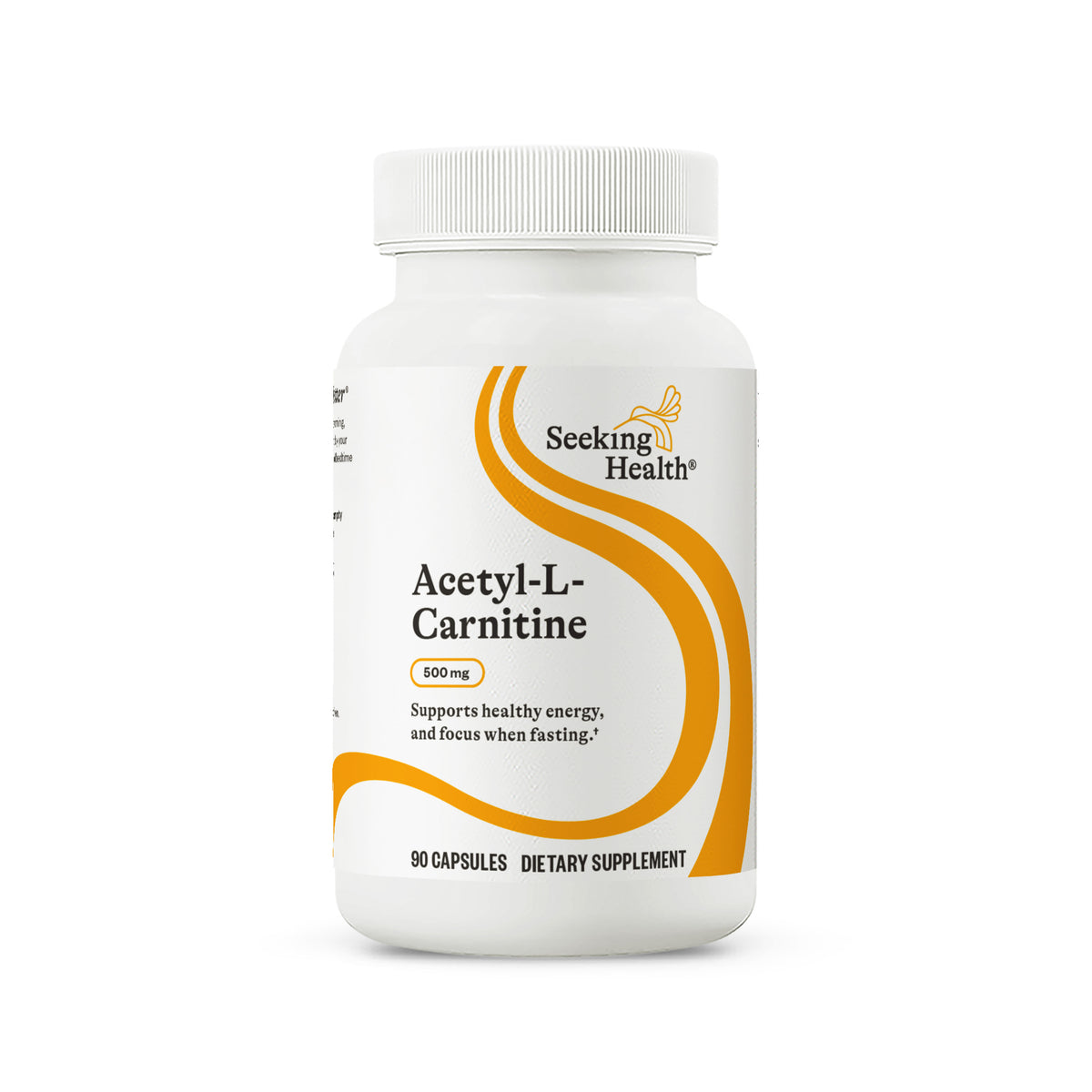
Product Description Acetyl L-Carnitine is a form of carnitine, similar to the amino acid L-Carnitine, which your body uses to transport fatty acids into cells for use as energy
doi: 10.1016/j.micpath.2018.07.027
Amino Acid Support: l-Carnitine is an amino acid found abundantly in skeletal and heart muscle It functions primarily to support utilization, and also acts as a carrier of acids into the mitochondria, where they are oxidized and converted to energy* Cardiovascular Health: l-Carnitine-l-tartrate is a highly stabilized form of l-carnitine supporting cardiovascular health* Physical Recovery: A recent placebo-controlled clinical study conducted at Ball State University in Indiana has found that l-carnitine-l-tartrate supplementation helps physical recovery from high intensity exercise* Pure Quality: Our supplements are made with premium ingredients sourced from trusted suppliers and guided by nutritional experts, then manufactured and tested to verify potency and purity Pure Difference: What we leave out matters, too