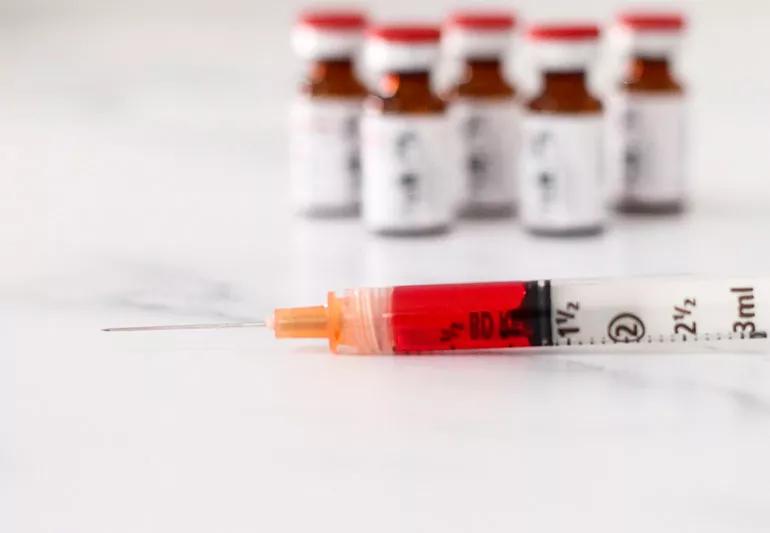
Water types comparison: Bacteriostatic Water (RECOMMENDED): Contains 0.9% benzyl alcohol preservative, multi-use safe, prevents contamination, stable for 28 days after first puncture Sterile Water: No preservative, single-use only, risk of contamination with multiple punctures, not recommended for peptides Tap Water (NEVER USE): Contains impurities, minerals, chlorine, bacteria - will destroy peptides and cause contamination Distilled/Boiled Water (NOT RECOMMENDED): Not sterile, lacks antimicrobial properties, risk of bacterial growth Use this simple formula to calculate dosage: Concentration = Total mg in vial Total ml of water added Example calculation: You have: 5mg BPC-157 vial You add: 2ml bacteriostatic water Concentration: 5mg 2ml = 2.5mg/ml If your dose is 250mcg (0.25mg): 0.25mg 2.5mg/ml = 0.1ml (10 units on insulin syringe) Common reconstitution volumes: 2mg vial + 2ml water = 1mg/ml concentration 5mg vial + 2ml water = 2.5mg/ml concentration 10mg vial + 2ml water = 5mg/ml concentration Tip: Use our online peptide calculators or create a dosing chart when you reconstitute to avoid calculation errors
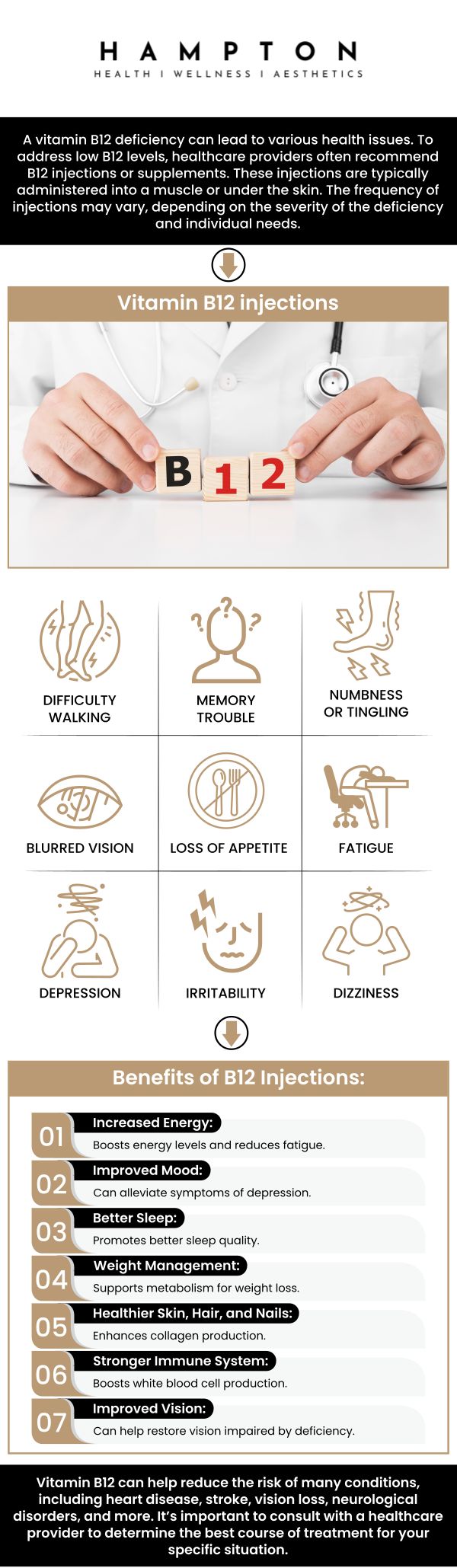
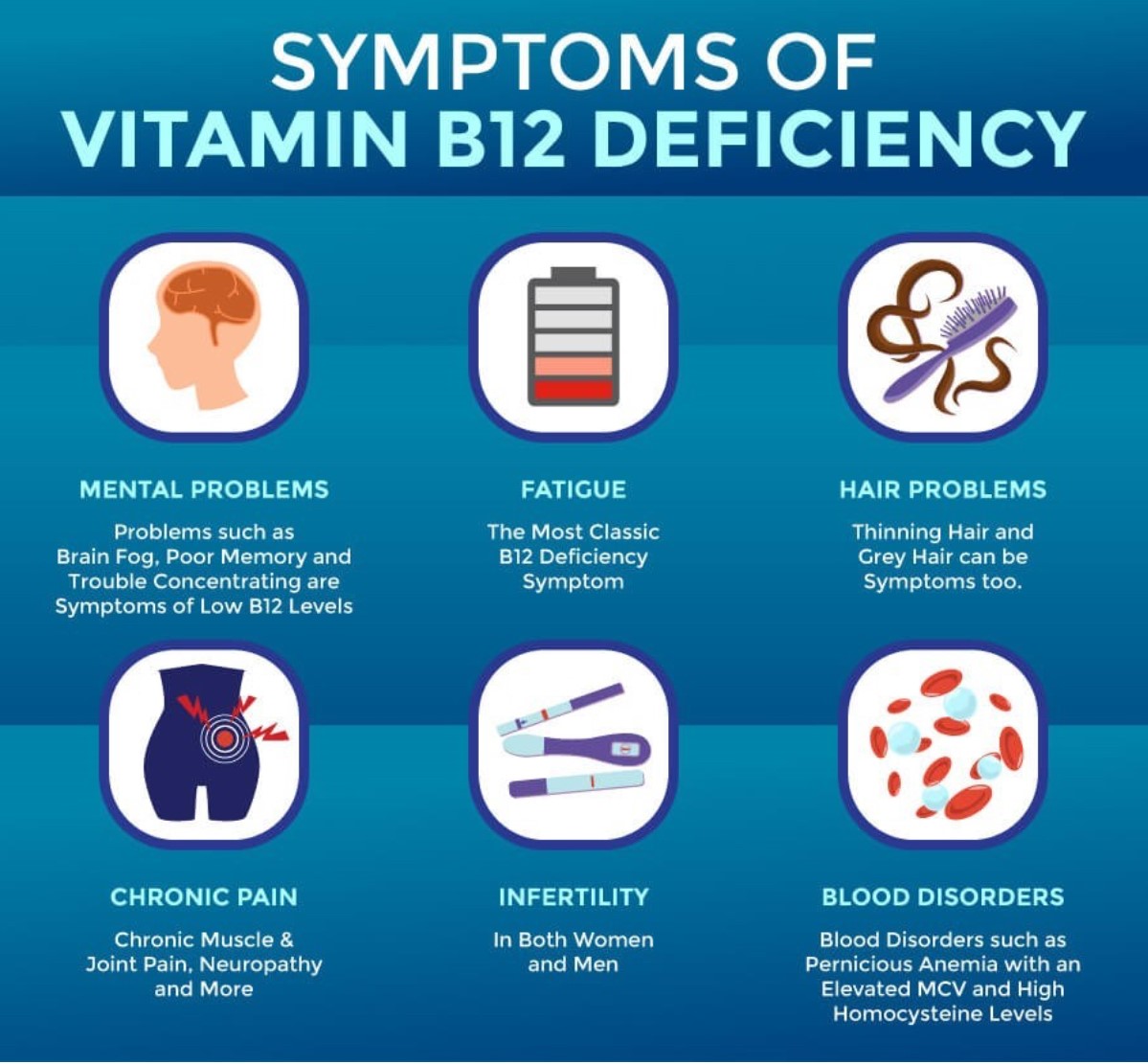
What to do if you suspect a B12 deficiency Everlywell: exceptional care that meets you where you are Written on January 20, 2023 Like many other nutrients, vitamin B12 is critical for human health and development and if you dont consume enough of it from food or supplements, you could be a candidate for developing vitamin B12 deficiency [1]
But they only work when combined with a healthy lifestyle that helps to enhance weight loss
The article explores the potential of NAD+ peptides and precursors like NMN and NR to replenish NAD+ levels, improve metabolic pathways, and support anti-aging research