Bahig H, Yuan Y, Mohamed ASR, Brock KK, Ng SP, Wang J, Ding Y, Hutcheson K, McCulloch M, Balter PA, Lai SY, Al-Mamgani A, Sonke JJ, van der Heide UA, Nutting C, Li XA, Robbins J, Awan M, Karam I, Newbold K, Harrington K, Oelfke U, Bhide S, Philippens MEP, Terhaard CHJ, McPartlin AJ, Blanchard P, Garden AS, Rosenthal DI , Gunn GB, Phan J, Cazoulat G, Aristophanous M, McSpadden KK, Garcia JA, van den Berg CAT, Raaijmakers CPJ, Kerkmeijer L, Doornaert P, Blinde S, Frank SJ, Fuller CD
The specific amount can vary depending on your Aetna plan
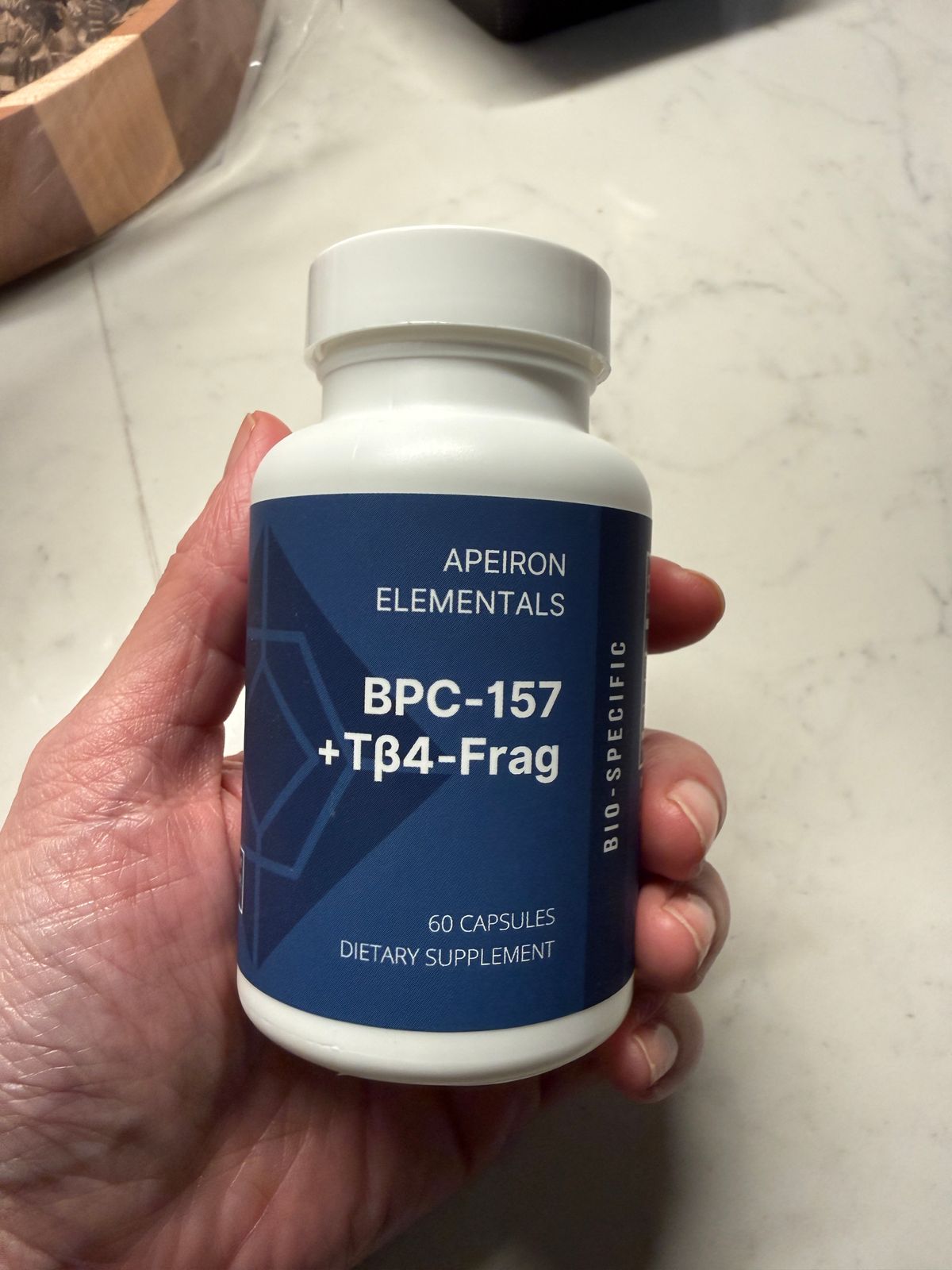
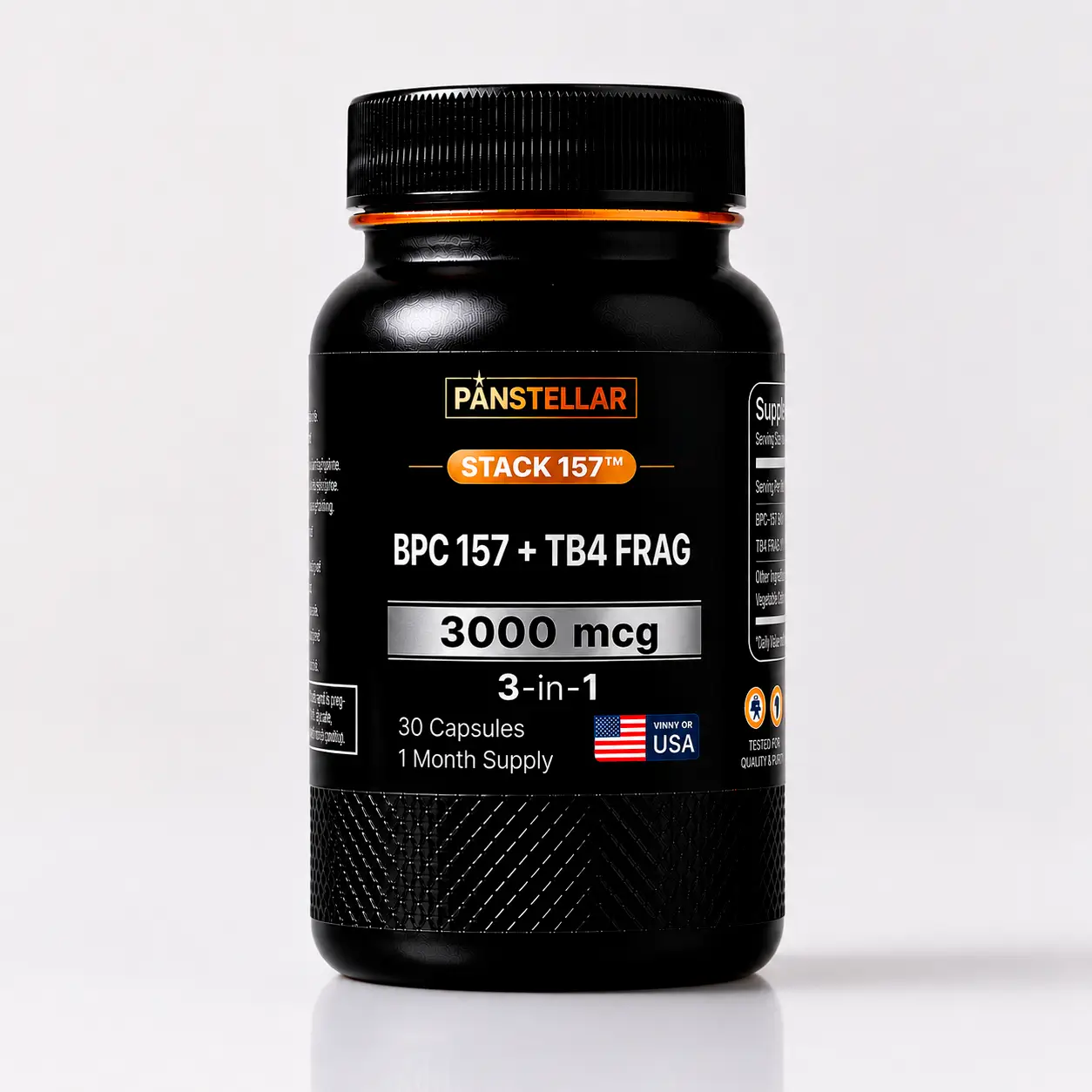
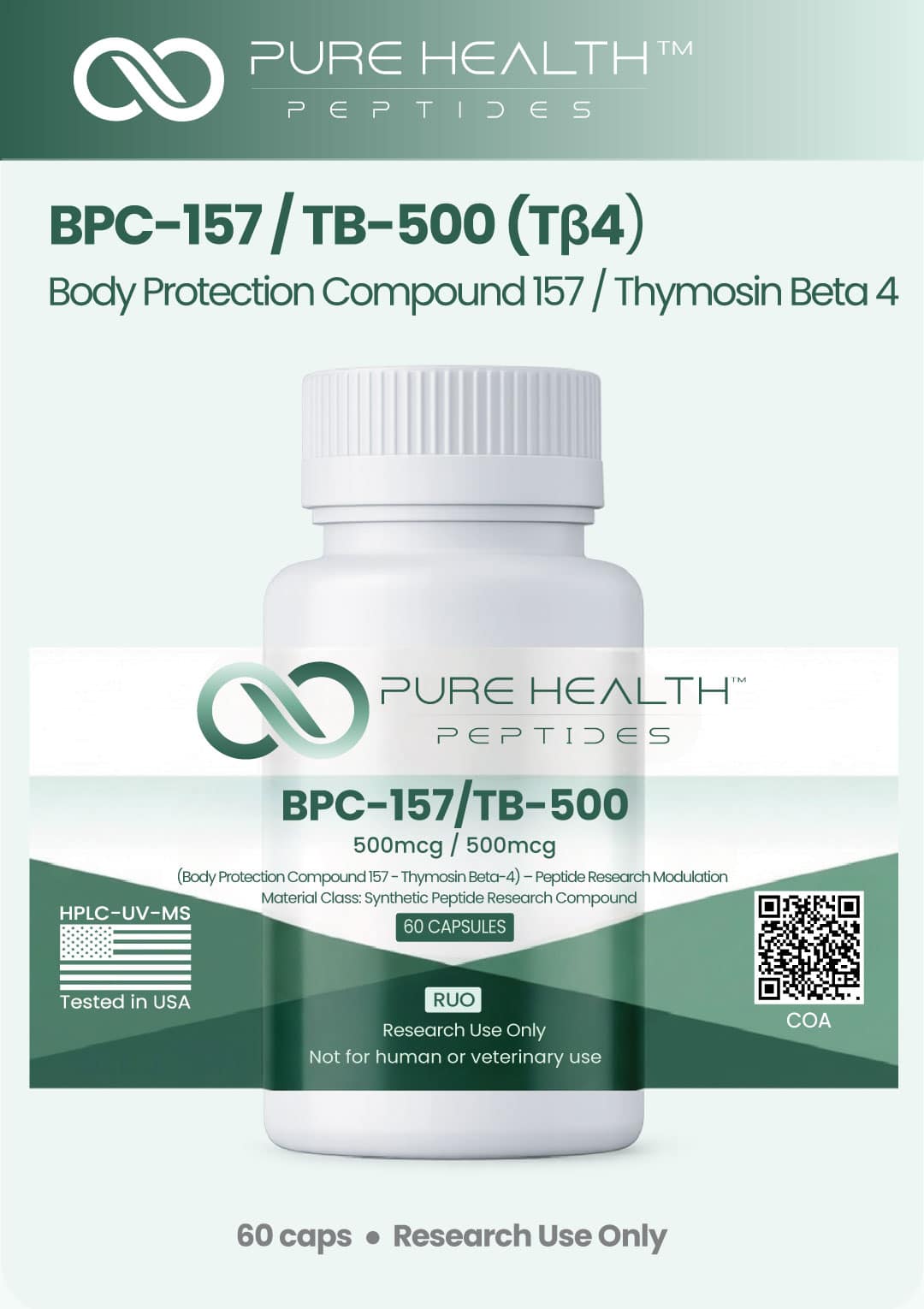
Oral BPC-157: The primary challenge with administering peptides orally is that they are proteins, and the stomach is exceptionally good at breaking down proteins
Theres no clear understanding of why adequate levels of B12 are associated with a reduced risk of obesity, but there are a few theories 9-11 : B12 may influence how the body stores fat B12 is required for proper muscle protein, and low levels could interfere with recovery Insufficient B12 impairs red blood cell production and interferes with oxygen delivery to muscles Key takeaway: There is some evidence linking low B12 levels to a higher risk of obesity in children, adolescents, and adults, but the evidence is too weak to confirm a relationship