Recovery Science and Regenerative Biology The peptide industry continues expanding as researchers investigate advanced peptide combinations for recovery-focused laboratory studies
That distinction matters for people who want to look refreshed while still letting their face communicate joy, concern, surprise, and warmth
Research interest nonetheless expanded considerably through the 1980s and 1990s, as investigators began exploring DSIP's broader neuroendocrine roles, including its interactions with the HPA axis, circadian timing systems, and stress-response pathways, establishing the compound as a multifunctional regulatory neuropeptide whose biological significance extends well beyond its original sleep-focused characterization
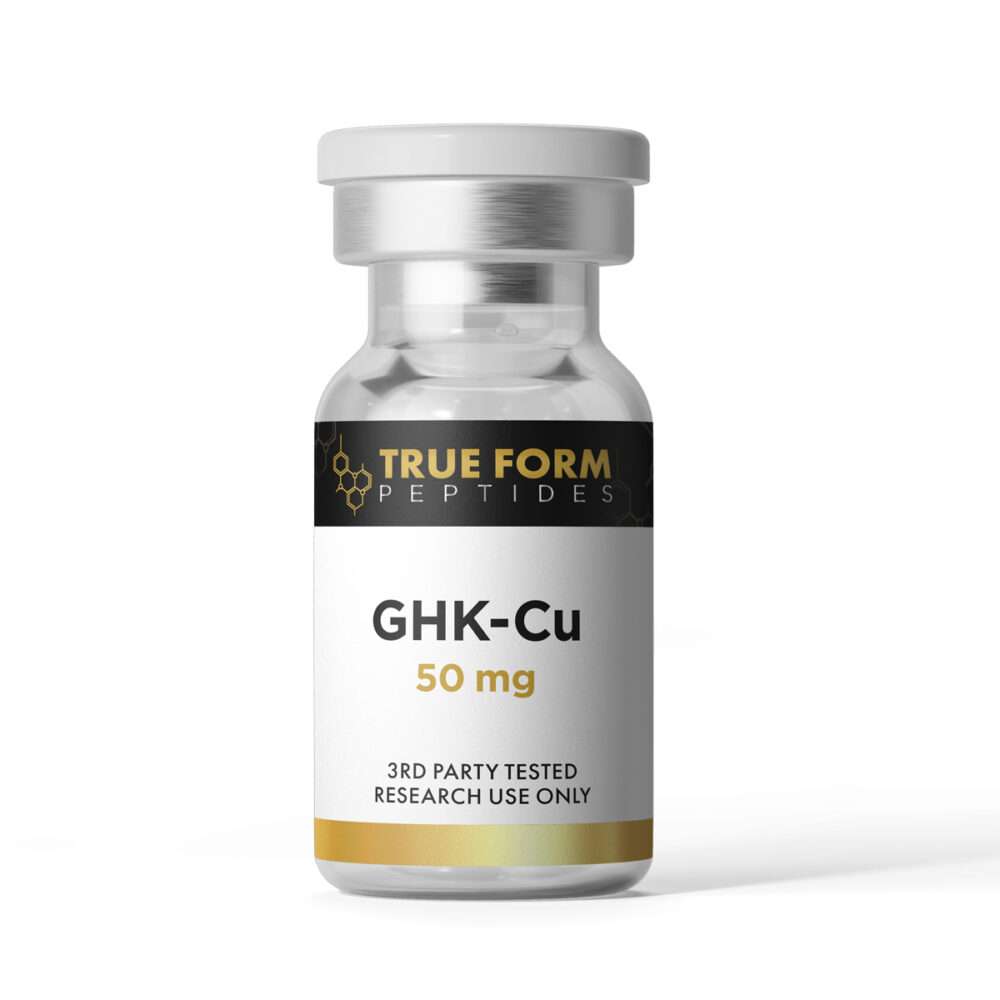
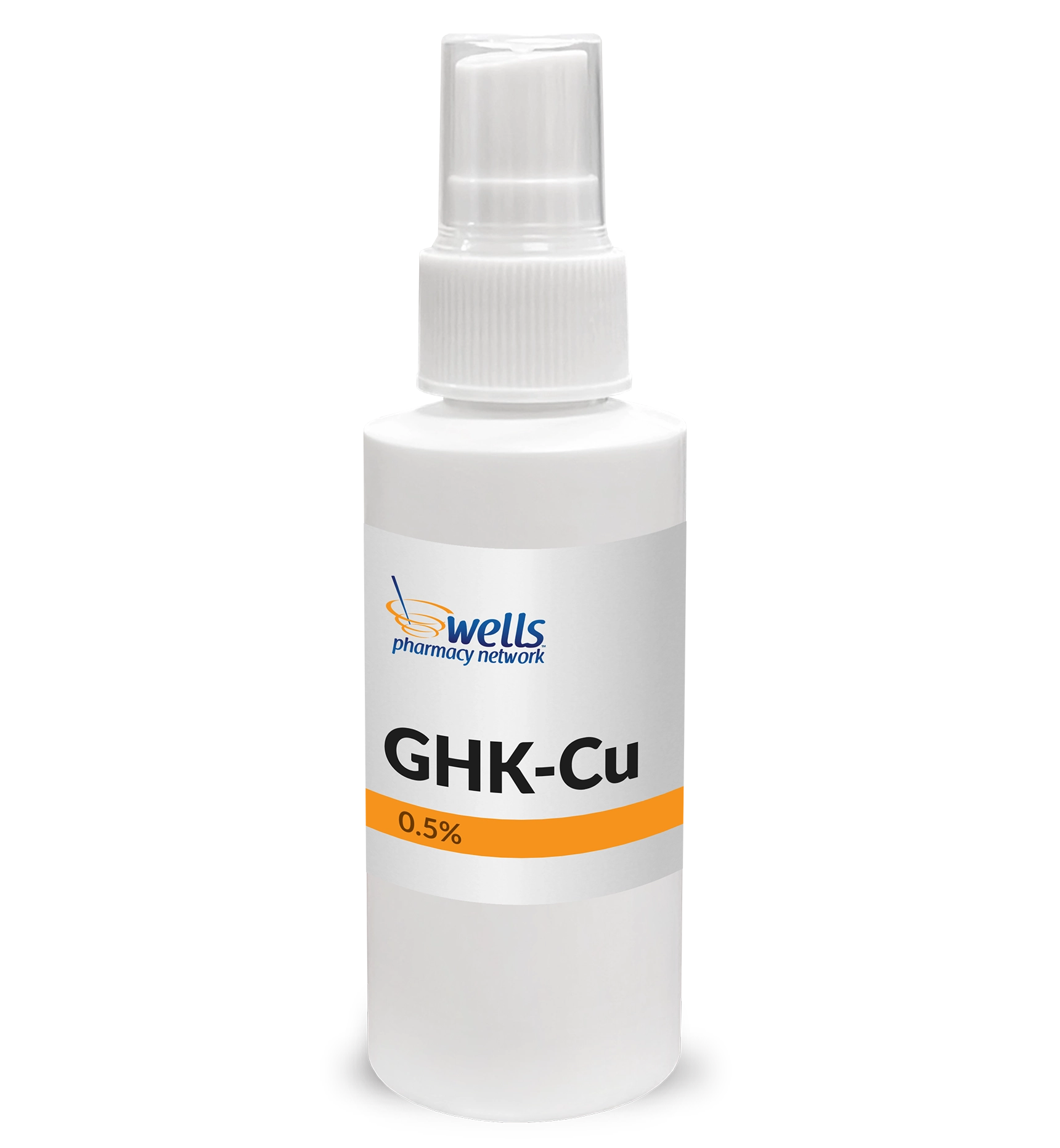
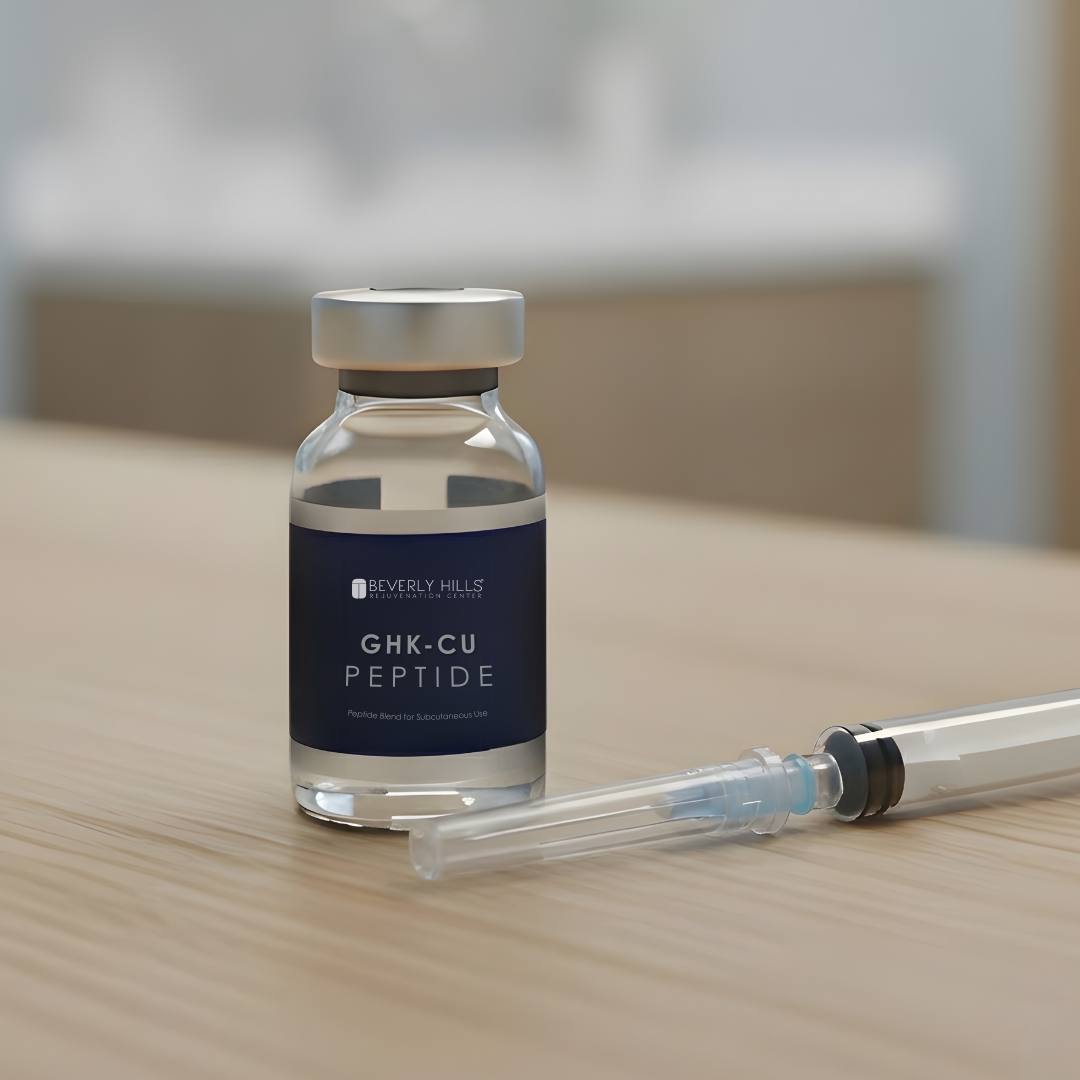
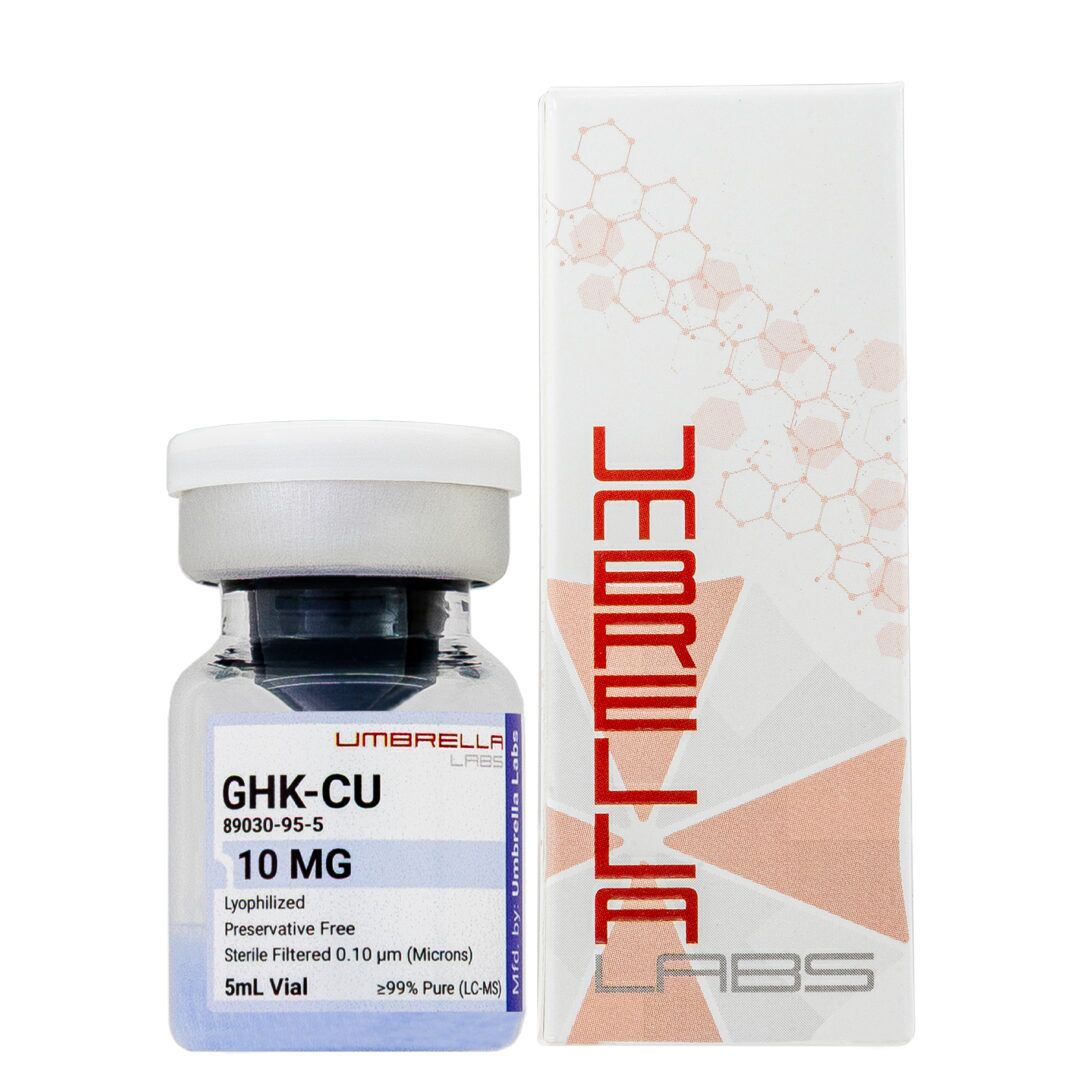
Analytical Identity Copper Tripeptide-1 (GHK-Cu, CAS 89030-95-5) is a naturally occurring copper-binding tripeptide - glycyl-L-histidyl-L-lysine chelated to a divalent copper ion (Cu2+) - first identified in human plasma, where its concentration has been reported to decline with age, and later characterized in saliva and other biological fluids