the combination is administered subcutaneously, not orally Albumin-Binding Mechanisms: Cagrilintide: Fatty acid modification enables albumin binding and delayed clearance Semaglutide: C18 fatty diacid provides 94% albumin binding Research opportunities: Investigate albumin-mediated peptide delivery and tissue distribution Pharmacokinetic studies: Characterize absorption, distribution, and elimination of albumin-bound peptides Comprehensive Research Applications Metabolic Regulation and Glucose Homeostasis Research The peptide blend provides exceptional capabilities for investigating comprehensive metabolic regulation: Glucose Metabolism Research: Insulin Secretion Studies: GLP-1-mediated glucose-dependent insulinotropic mechanism investigation Glucagon Regulation: Dual suppression through amylin and GLP-1 pathway research Beta Cell Function: Investigation of pancreatic beta cell health, proliferation, and survival mechanisms Alpha Cell Function: Research on glucagon secretion regulation through amylin and GLP-1 receptors Hepatic Glucose Production: Investigation of glucose output suppression mechanisms Glucose Tolerance Research: Studies in various metabolic dysfunction models Insulin Sensitivity Research: Peripheral Insulin Action: Investigation of skeletal muscle and adipose tissue insulin sensitivity Hepatic Insulin Sensitivity: Research on liver insulin receptor signaling and glucose metabolism Adipose Tissue Function: Studies on adipocyte metabolism, lipolysis, and adipokine secretion Inflammatory Pathways: Investigation of metabolic inflammation and insulin resistance connections Research protocols employ glucose tolerance tests, insulin tolerance tests, hyperglycemic clamps, hyperinsulinemic-euglycemic clamps, and metabolic cage studies to characterize comprehensive glucose homeostasis effects
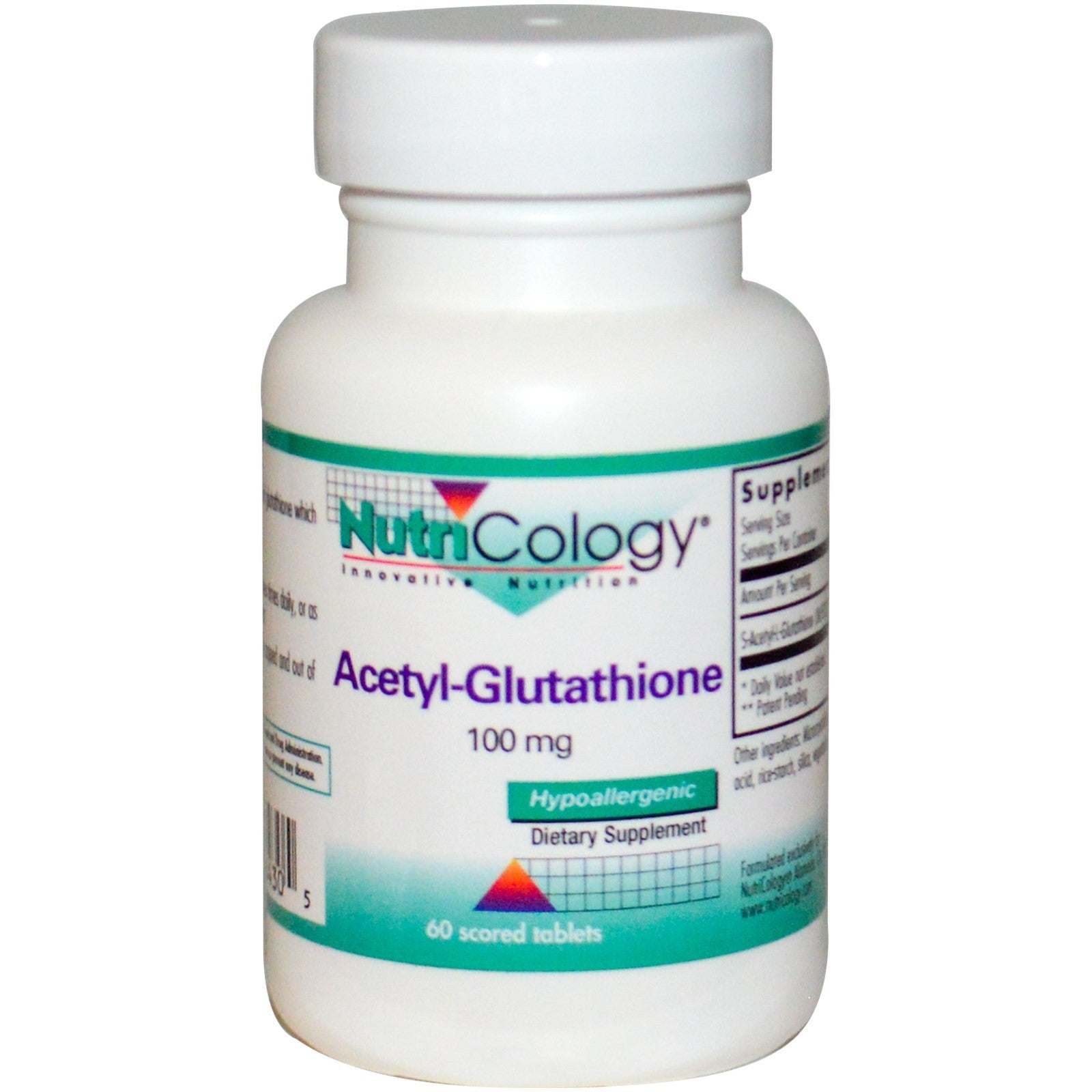
Further it is divided on the basis of product type: reduced glutathione and oxidized glutathione and on the basis of application: Food and beverages, dietary supplements, pharmaceuticals, nutritional supplements, personal care and cosmetics and others
It is the only common genus significantly increased in fecal samples from IBD patients, and genetic relatedness between oral and intestinal strains suggests oral transmission and gut colonization ( S.m , are enriched in the stools of NASH patients ( S.s linked to its competition with S.m , potentially contributing to inflammatory processes (Yang et al., 2023)
The skin is closely connected to the digestive system through the gut-skin axis, and imbalances in the gut microbiome may link skin disorders like rosacea to digestive, cardiovascular, and metabolic diseases