Disclosure of interest: Nothing to disclose E-Posters - DIAGNOSIS / ETIOLOGY 04.00 - DIAGNOSIS / ETIOLOGY - 04.07 - SMALL VESSEL DISEASE P2397 - ESOC25-1825 GENOMICS OF NEW AUTOMATED DIFFUSION IMAGING MARKER SHEDS LIGHT INTO LIFESPAN DETERMINANTS OF CEREBRAL SMALL VESSEL DISEASE Yasaman Saba 1 , Hideaki Suzuki 2 , Pauline Maillard 3 , Michelle Luciano 4 , Ilana Caro 1 , Marco Duering 5 , Joanna Wardlaw 6 , Sudha Seshadri 7 , Lenore Launer 8 , Helena Schmidt 9 , Vilmundur Gudnason 10 , Paul Matthews 11 , Monique Breteler 12 , Aniket Mishra 1 , Stphanie Debette 1 1 University of Bordeaux, Inserm, Bordeaux Population Health Research Center, Bordeaux, France, 2 Tohoku Medical Megabank Organization, Tohoku University, Sendai, Japan, 3 Department of Neurology, University of California, Davies, United States, 4 Department of Psychology, University of Edinburgh, Edinburgh, United Kingdom, 5 Medical Image Analysis Center (MIAC AG) and Department of Biomedical Engineering, University of Basel, Basel, Switzerland, 6 UK Dementia Research Institute Centre, University of Edinburgh, Edinburgh, Edinburgh, United Kingdom, 7 Glenn Biggs Institute for Alzheimers and Neurodegenerative Diseases, University of Texas Health Sciences Center, St Antonio, United States, 8 Laboratory of Epidemiology, Demography, and Biometry, National Institute of Aging, The National Institutes of Health, Baltimore, United States, 9 Institute of Molecular Biology and Biochemistry, Medical University of Graz, Graz, Austria, 10 Icelandic Heart Association, Kopavogur, Reykjavik, Iceland, 11 UK Dementia Research Institute, London, London, United Kingdom, 12 Population Health Sciences, German Center for Neurodegenerative Diseases (DZNE), Bonn, Germany Background and Aims: Peak width of skeletonized mean diffusivity (PSMD) has been proposed as a novel diffusion imaging marker for cerebral small vessel disease (cSVD), a leading cause of stroke and dementia with no mechanism-based treatments

Images were obtained from all tissue sections at both stump-callus interfaces and in mid callus, at the right, center and left side, of each staining (collagen 1, collagen 3 and elastin) with magnifications of 10x/0.30, 25x/0.95 (water) and 63x/1.20 (water) (Supp Fig
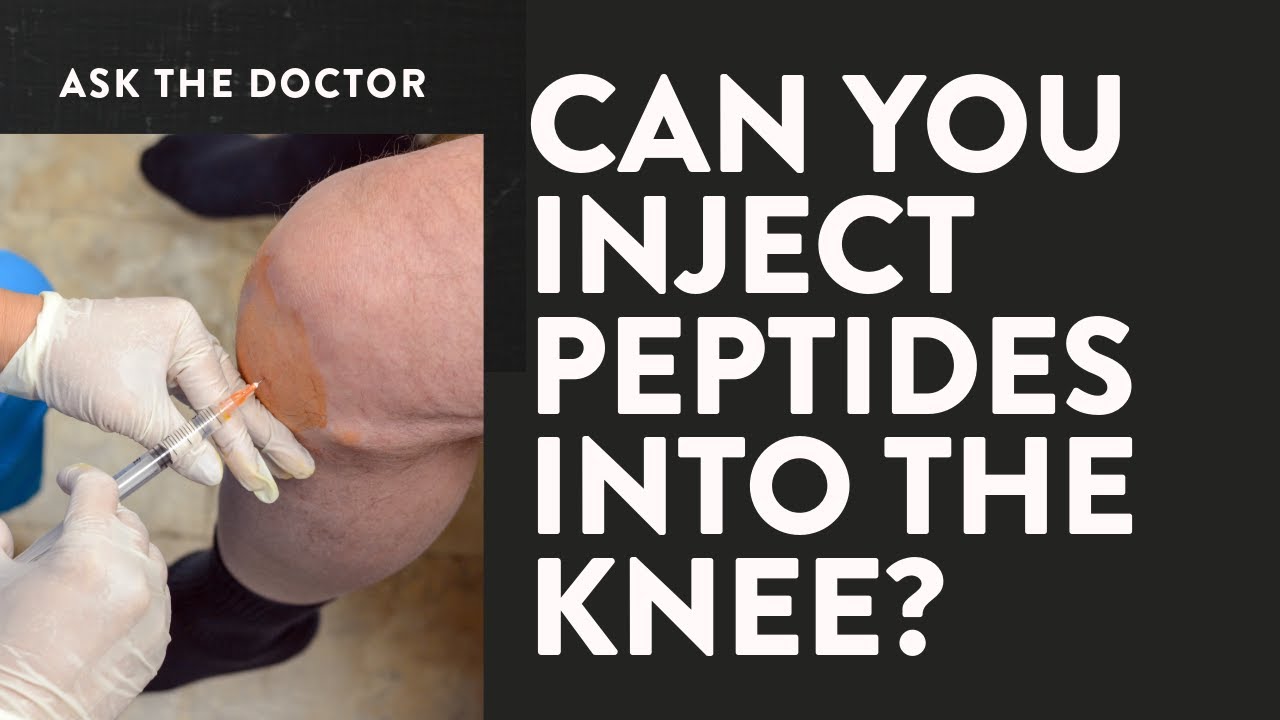
Benefits of BPC 157 protects active individuals from injuries accelerates the healing of many kinds of wounds relieves arthritis discomfort stimulates tissue healing and lean tissue repair heals muscle tears and ligament damage regenerates muscle and ligament tissue at a faster than average rate alleviates aches and pain helps to reduce pain in damaged areas of the body protects digestive function and counters the damaging effects of NSAIDs on the lining of the gut increases growth hormone receptors More Info: Thymosin - TB4 Thymosin Beta 4 is a peptide that promotes healing throughout the entire body
doi: 10.1016/j.devcel.2007.07.014 120 MacDonaldJ